How Retainers Keep Your Smile Aligned
Wondering whether wearing retainers is really necessary? Read on to learn more. You know braces and aligners can help you get those straight teeth you desire, but retainers are the next step. These little devices will keep your teeth aligned and your smile beautiful for years.
An overview of retainers
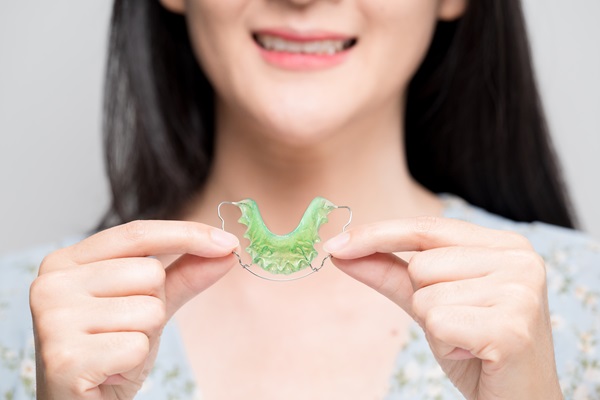
Retainers are custom orthodontic devices that help keep the teeth straight after braces or aligners are taken off. Patients should follow their orthodontist's recommendation to wear retainers to make sure their effort and time are not wasted. The retainers keep the teeth in place as the gums and bones surrounding them adapt to the new position. Failure to wear your retainers can cause gradual regression of dental alignment. This may eventually require additional orthodontic treatment.
The two main types of retainers are permanent and temporary aligners. A fixed retainer is attached to the back of the teeth and stays in place all day long. Their position is inconspicuous and needs minimal effort. However, removable retainers can be removed for meals, cleaning teeth, and using dental floss. They offer more flexibility but must be worn daily as directed by the orthodontist. Both retainers have advantages and disadvantages, so patients should consult their orthodontist to know which is right for them.
Caring for retainers
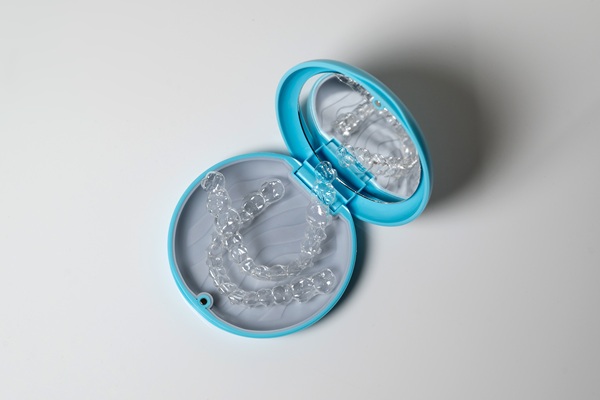
Retainers are a necessary part of the orthodontic treatment. Patients should take proper care of them to ensure their effectiveness. For removable retainers, individuals can brush the retainers with mild soap and a toothbrush frequently to keep them clean. Hot water will distort the retainer and should be avoided. It is advisable to keep the retainer in its case when not in use to avoid losing or damaging it. It should be stored away from kids and animals that might mistake it for a plaything.
Patients need to visit the orthodontist occasionally to check their retainer for signs of damage, such as cracks or loose wires. Following these simple steps will help keep the retainers in good condition.
Wearing retainers
Once the orthodontic treatment is over, the orthodontist will show the patient how to wear the retainer properly. The duration of retainer usage depends upon the patient’s requirements. The general rule is to wear the retainer regularly before limiting it to nighttime use. Individuals should follow the treatment instructions carefully. Failure to wear retainers as directed can cause teeth to move back into their original positions.
Patients should make their retainer part of their day-to-day routine by booking a reminder on their phones. The key to maintaining the result is consistency. The retainer case should be placed somewhere visible, preferably near the bedside table or next to one's toothbrush. This will be the reminder to wear it each evening.
Patients can add stickers or choose a fun design for their retainer case. Another option is to ask family members for reminders. They may send reminders to wear the retainer and keep up with dental appointments.
In conclusion
Retainers are required to maintain the results of orthodontic treatment. Follow the orthodontist's recommendations for maintaining and wearing your retainers, whether permanent or removable. Knowing the importance of retainers and including them in your dental care helps you maintain a healthy, aligned smile for life.
Request an appointment here: https://omanaortho.com or call Omana Orthodontics at (801) 618-2801 for an appointment in our Salt Lake City office.
Check out what others are saying about our services on Yelp: Retainers in Salt Lake City, UT.
Related Posts
Corrective braces are ideal for achieving an attractive smile as they can create a symmetric and even smile. This can also provide oral health benefits and reduce the risk of concerns like cavities. In this review, we discuss the basics of corrective braces to help you decide if they may be right for you.Here is…
Clear aligners provide a discreet, removable way to straighten teeth, but early habits often determine how smoothly treatment progresses. The first few weeks typically involve learning to wear the aligners consistently, adapting to new routines, and keeping them clean. With the right plan, most beginners settle into aligner life quickly and see steady improvements. These…
Early orthodontic treatment makes it possible to spot and correct dental issues in children. With this proactive care, an orthodontist can guide jaw growth, improve tooth alignment, and lower the chance of more complex treatment later on. Recognizing the common signs that a child could benefit from early orthodontic treatment can support a healthy, confident…
Clear braces offer a more discreet way to straighten teeth while still delivering the consistent control of bracket-and-wire orthodontics. Many patients like that the brackets blend into the smile, which can feel more comfortable for photos, school, and professional settings. Even with a subtle look, treatment still follows a detailed plan to improve alignment and bite…