What Are Palatal Expanders in Orthodontics?
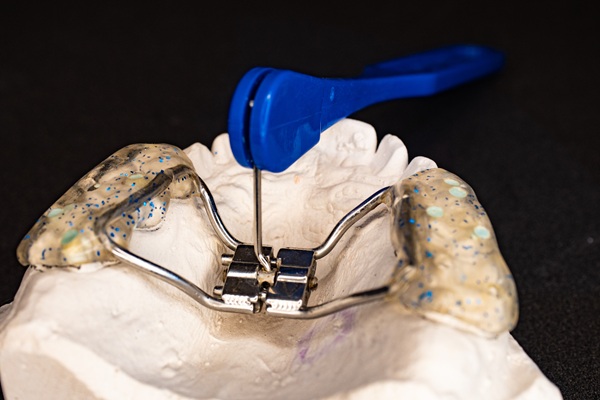
Palatal expanders are used to widen a patient’s palate (the roof of the mouth), creating more space for their top set of teeth. The American Association of Orthodontists recommends bringing your child in for their first bite assessment by the time they reach seven.
At this stage in their development, their bite should be established enough to spot orthodontic issues. Early detection is crucial since the developing jaw and craniofacial structures of children are considerably easier to mold than the structures of adults. This can shorten the length of treatment by more than half.
Some of the issues that indicate a patient’s palate might not have enough space include:
- Impacted teeth
- Crossbites
- Crowded teeth
Improving bites with palatal expanders
Some people are born with smaller palates due to genetic and other factors. Not having enough space in the roof of the mouth leads to orthodontic issues as the child’s permanent teeth start to erupt. Expanders work by gently applying force on the wearer’s palate, encouraging it to grow. This creates more space on the jaw, reducing the risk of orthodontic issues in the future. Expanders also make correcting any existing orthodontic issues easier once space has been created on the patient’s jaw.
Treatments times with palatal expanders are typically somewhere between three to twelve months. Pediatric orthodontists often keep the appliance in place even after the desired growth has been achieved so the palate can solidify in its new shape.
Expanders can be removable or fixed. They are customized for each child, so they fit correctly along the roof of their mouth. The most recommended types of palatal expanders include:
- Rapid palatal expanders: These are the most commonly used type of expanders. They fit parallel to the molars in the upper dental arch. RPEs with a central screw that is used to activate the device. The orthodontist provides the patient with a key that is used to manipulate the screw and gently push the palatal bones. Treatments with RPE are often completed within six months
- Removable palatal expander: These are recommended when a child’s palate only needs to be slightly expanded. The appliance looks like a retainer, but it comes with a center screw that works similarly to the ones that come with RPEs
- Mini-Implant Assisted RPE: These devices are typically recommended for older patients who did not get orthodontic treatments they needed when they were younger. Such patients require a more powerful appliance to expand their palate since their craniofacial structures have hardened at that point. Mini-Implant Assisted RPEs involve placing two to four mini-implants on parallel points on the patient’s palatal bones. These implants are linked with a center screw. As is the case with the other types of expanders, the screw is used to activate the device
Get your child off to a good start
Issues like a child’s palate not having enough room for their teeth are best addressed early while their bones are still developing. Give us a call or visit our Salt Lake City clinic to set up an appointment with our pediatric orthodontist.
Request an appointment here: https://omanaortho.com or call Omana Orthodontics at (801) 618-2801 for an appointment in our Salt Lake City office.
Check out what others are saying about our services on Yelp: Expanders in Salt Lake City, UT.
Related Posts
Corrective braces are ideal for achieving an attractive smile as they can create a symmetric and even smile. This can also provide oral health benefits and reduce the risk of concerns like cavities. In this review, we discuss the basics of corrective braces to help you decide if they may be right for you.Here is…
Clear aligners provide a discreet, removable way to straighten teeth, but early habits often determine how smoothly treatment progresses. The first few weeks typically involve learning to wear the aligners consistently, adapting to new routines, and keeping them clean. With the right plan, most beginners settle into aligner life quickly and see steady improvements. These…
Early orthodontic treatment makes it possible to spot and correct dental issues in children. With this proactive care, an orthodontist can guide jaw growth, improve tooth alignment, and lower the chance of more complex treatment later on. Recognizing the common signs that a child could benefit from early orthodontic treatment can support a healthy, confident…
Clear braces offer a more discreet way to straighten teeth while still delivering the consistent control of bracket-and-wire orthodontics. Many patients like that the brackets blend into the smile, which can feel more comfortable for photos, school, and professional settings. Even with a subtle look, treatment still follows a detailed plan to improve alignment and bite…