What to Know Before Getting Ceramic Braces
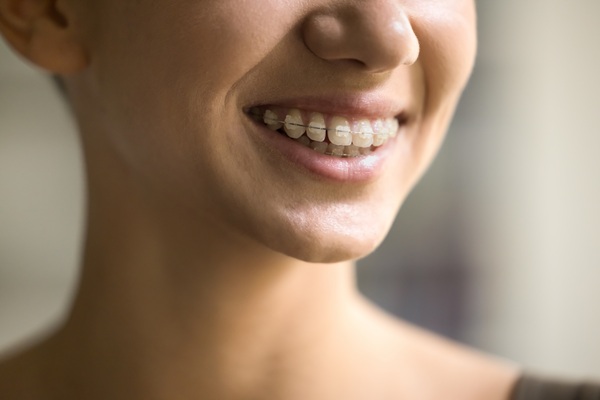
You may have seen someone wearing ceramic braces without even knowing it. These are most well-known for their discreet appearance and are ideal alternatives for patients who are concerned about how noticeable their braces would look. Read on to learn more about why ceramic braces are trusted among orthodontic professionals.
Ceramic braces: Here is what you should know
Ceramic braces are among the most popular forms of orthodontic treatment. They work for people of all ages, from children to adults. Let us go over the facts about ceramic braces, highlighting what they are, the benefits they offer, and how they differ from alternative orthodontic solutions.
What are ceramic braces?
Ceramic braces are an orthodontic treatment that uses wires and ceramic brackets. They are used as an alternative to traditional metal braces. Ceramic braces are less visible than metal braces, but they work the same way. Like all braces treatments, the brackets and wires shift teeth into an optimal alignment and position. This helps correct a range of cosmetic and oral health concerns, including but not necessarily limited to:
- Crowded teeth
- Crooked teeth
- Gaps between teeth
- Jaw misalignments
Ceramic braces can correct various jaw misalignments, including overbites, underbites, and crossbites. Braces are the most effective way to straighten misaligned teeth, making them most appropriate for severe malocclusions. They also work well for mild to moderate misalignments.
What are the pros and cons of ceramic braces?
Ceramic braces are far less noticeable to others than metal braces. The ceramic color blends into the natural shade of the patient’s teeth. Ceramic braces also offer excellent strength and effectiveness, and they straighten teeth just as fast as metal braces on average. The main drawback to ceramic braces is the cost, and on average, they are slightly more expensive than metal braces.
How do ceramic braces compare with alternative options?
Metal braces, lingual braces, and clear aligners are common alternatives to ceramic braces. Metal braces work similarly but are not as discreet as ceramic braces. Although clear aligners and lingual braces are also subtle treatment solutions, they may not be optimal for every patient, particularly those who have more severe misalignment concerns.
Overall, ceramic braces are an ideal choice for any patient who wants a more discreet method of straightening their smile. They are also great for all types of misalignments, and they can even help treat the most severe misalignments.
Schedule a consultation today to get started with ceramic braces
Are you concerned about having a misaligned smile? Is it causing a cosmetic and/or oral health issue? If so, then please do contact our office in order to schedule a consultation visit. We offer a range of orthodontic treatment types, including metal braces and ceramic braces. We can assist you throughout the entire treatment process, from determining the best treatment solution to ensuring that you can maintain a straight smile with post-braces care. Call us today!
Request an appointment here: https://omanaortho.com or call Omana Orthodontics at (801) 618-2801 for an appointment in our Salt Lake City office.
Check out what others are saying about our dental services on Yelp: Ceramic Braces in Salt Lake City, UT.
Related Posts
Clear aligners provide a discreet, removable way to straighten teeth, but early habits often determine how smoothly treatment progresses. The first few weeks typically involve learning to wear the aligners consistently, adapting to new routines, and keeping them clean. With the right plan, most beginners settle into aligner life quickly and see steady improvements. These…
Early orthodontic treatment makes it possible to spot and correct dental issues in children. With this proactive care, an orthodontist can guide jaw growth, improve tooth alignment, and lower the chance of more complex treatment later on. Recognizing the common signs that a child could benefit from early orthodontic treatment can support a healthy, confident…
Clear braces offer a more discreet way to straighten teeth while still delivering the consistent control of bracket-and-wire orthodontics. Many patients like that the brackets blend into the smile, which can feel more comfortable for photos, school, and professional settings. Even with a subtle look, treatment still follows a detailed plan to improve alignment and bite…
Teeth straightening is a popular, in-demand service, especially among older teenagers. An orthodontist offers several options to help these patients achieve a more picture-perfect smile without compromising their oral health. In fact, straighter teeth can support oral health by being easier to care for. Moreover, by addressing smile alignment now, teens can enjoy a lifetime…